Earn the Search
If you sell to an audience that doesn't know your category exists, this is what a first move can look like. A :30 Super Bowl campaign for the permitting industry, played to a hundred million people on Sunday night, and the framework behind every call.
Storytelling for Adoption
Adoption is a human problem, and every product that sells itself as software has to eventually be adopted by a person. The four stages are what the story has to move through, in order, for the person to move at all: identity, behavior, trust, at scale.
The move is straightforward: don't explain the category. Instead, make it impossible to ignore. Storytelling for Adoption names the smallest specific act someone has to take next, and borrows an identity the audience already holds so the act feels obvious instead of instructed. When the story is doing its job, the product doesn't have to explain itself.
Every audience already carries an identity. It can be a fandom, a job title, a grievance, a memory. Borrow one instead of trying to build one. Recognition is faster than introduction, and it costs the brand nothing.
Name the specific act you need next. A search, a visit, a DM, a screenshot. Awareness is the language a brand uses when it can't tell you what it wants people to do.
The behavior is only useful if the surfaces waiting on the other side of it do their job: the page it lands on, the response that comes back, the tool that opens.
This has to work at reach, not intimacy. A single dinner-party conversion is not the advantage; a Monday-morning search-volume spike is.
This is the counterpart to Teach the Win. That tactic answers a comprehension bottleneck: translate, and hand over a win before the tab closes. Earn the Search answers an attention bottleneck: withhold, and let curiosity close the gap.
You don't outspend the room. You out-angle it.
Below: the work. The pitch is a :30 in-game Super Bowl spot. The brief is 200–400 words on why this creative and what I had to believe about the industry and the audience to make the call. The headline is a next-day New York Times print ad that closes the story the spot opens.
White fritillary
A :30 Super Bowl spot — storyboard.
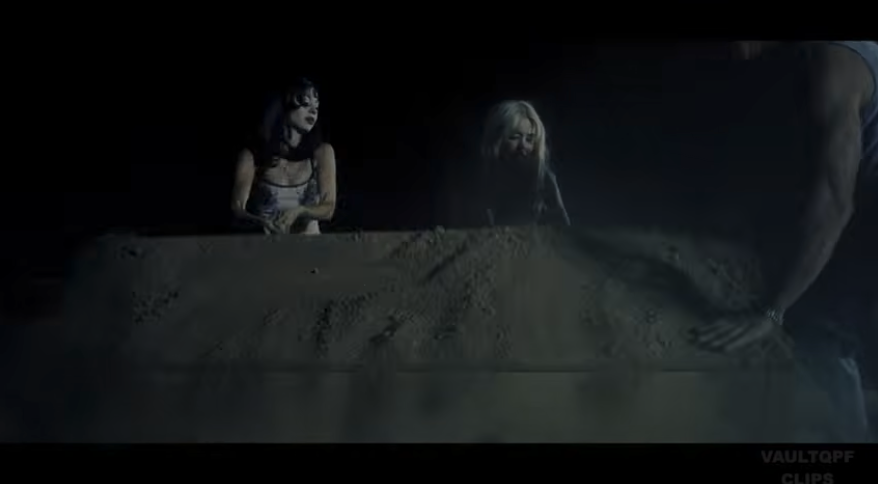
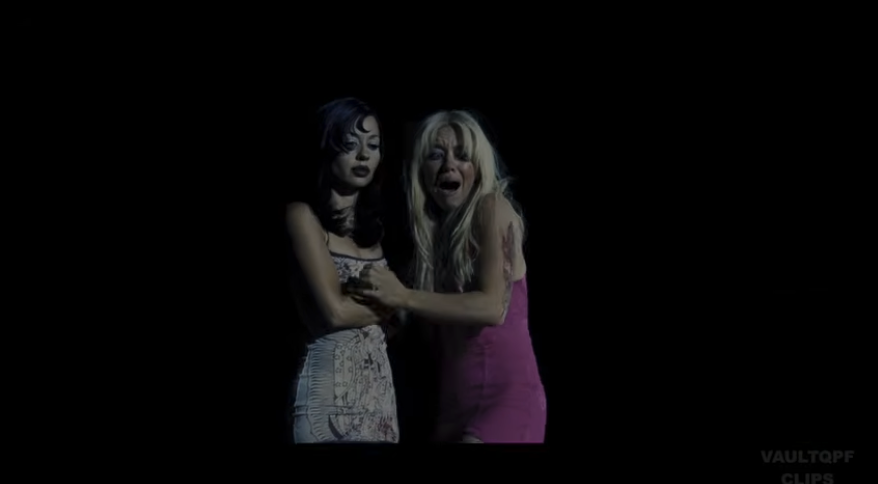
Dead of night. The dark is almost total. We see a coffin breaking the surface and blowing soil and dust as it opens. At the rim, Cassie (Sydney Sweeney) and Maddy (Alexa Demie) are the only things the light finds. They scream and cling to each other as they process what they are seeing. The camera holds a beat too long, enough to be uncomfortable.
"This was Nate Jacobs. …Yeah. We'll get back to that."
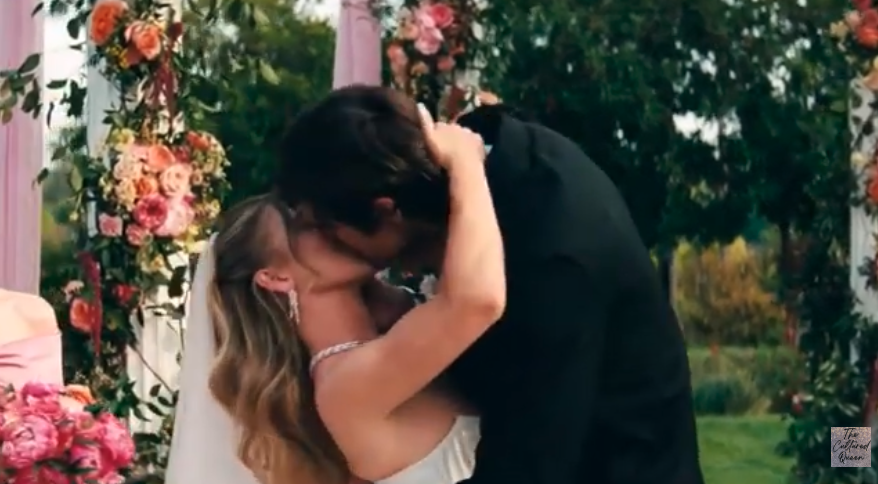
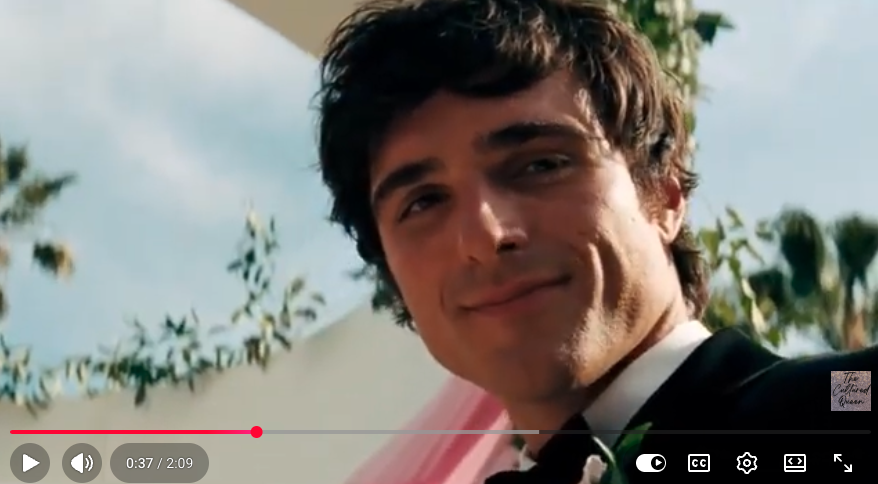
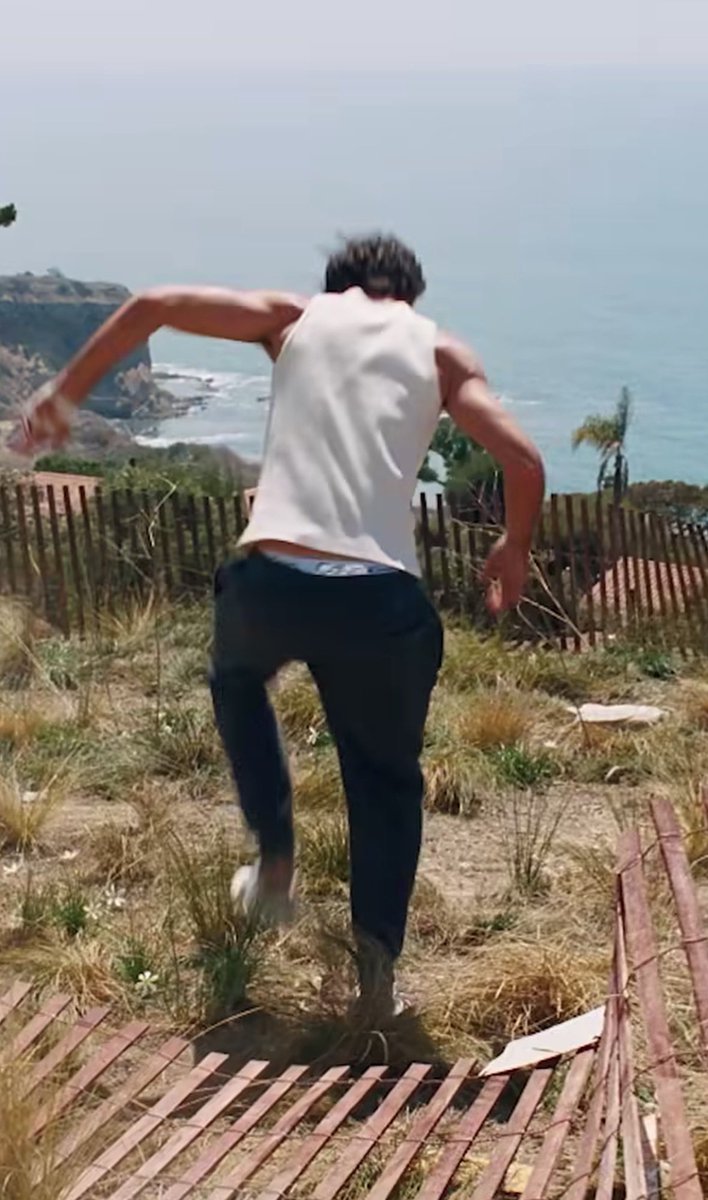
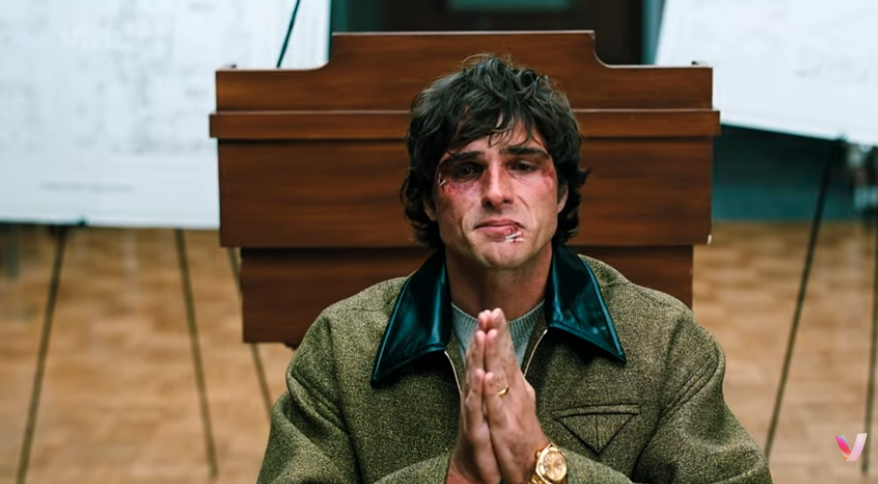
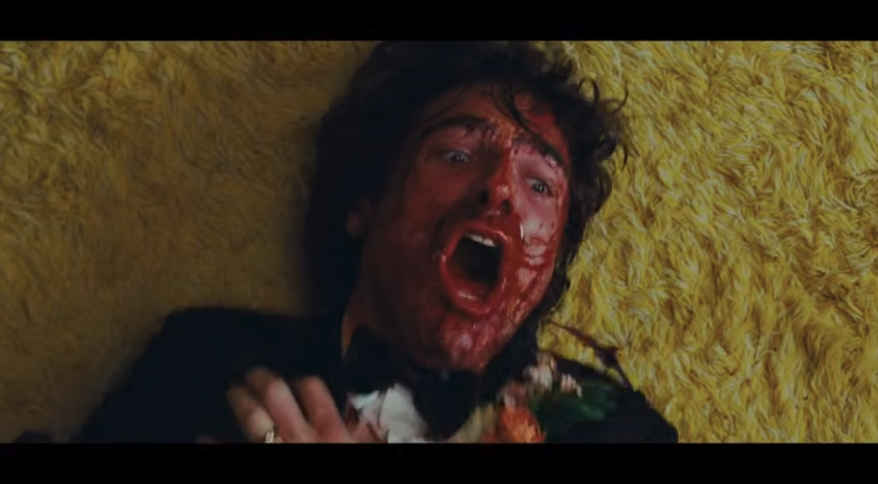
The image rips backward. Sound sucks into reverse. His whole collapse runs in fast-forward-reverse: a snake retreating up an air pipe, fists un-swinging, a wedding un-crashing. Fragmented, kinetic, never lingering on any one horror.
"Nate had everything. His dad's company. The big house. The girl."

The rewind decelerates. We pull off Nate, off the chaos, down to a patch of untouched dirt. And one small white flower.
"And then somebody found a flower. A rare one. The kind you're not allowed to build on."
Everything stills.
"All that. Undone by a little flower and a stack of paperwork he couldn't get through."
The voice tips toward you.
"Some things were never meant to get built."
"Yours?"
The Brief
200–400 words on why this spot, and what I had to believe.
The one thing I want the audience to walk away with
This 30-second Super Bowl ad is intentional about not explaining what the brand is or what it does. It has one objective: to make people feel the problem through a pop-culture reference that's cinematic, carries recognizable talent, and is built to travel and earn media.
The viewer should be left with a question — "What the hell is that?" — and then an inference: "they make things happen when they should (and if they should)."
The spot earns the search while the site does the explaining. The brand is a Series A, AI-native permitting platform that nobody at the party has heard of. That's exactly why this works: an unknown brand either wins the next morning's conversation or wastes the buy.
Why this creative direction
Brands already established in the zeitgeist can afford safe bets. Permitting platforms sell to chains, developers, and data-center builders, an audience not exactly glamorous. So I went the bold path, and discarded every version of the copy and treatment that softened it.
Euphoria's last season shows the demise of Nate Jacobs (Jacob Elordi) over a stalled construction project, where a permit fight over a protected flower becomes the one thing his menace couldn't move.
The delay buries him in debt, then in the ground, feet from those flowers. No writers' room could hand a permitting company a better gift.
We show his collapse in reverse, Rue (Zendaya) narrating, and the camera resting on the thing that outlived him.
The spot doesn't avert his death, nor does it play with an alternate ending. There is never a definition of permitting; it's present the entire time, even though it's never named. The paperwork is the punchline.
What I had to believe about the industry and the audience
The audience doesn't need to be taught. Instead, it needs to be intrigued, and it rewards recognition and wit over instruction. I had to believe the entire category is interesting enough to carry Zendaya and prestige-TV craft, and to show that paperwork can be a more ruthless villain than Nate, who held the title before. The permit fight lies at the root of a death that the entire country watched unfold.
Casting Zendaya as Rue preserves the show's voice instead of replacing it with a narrator selling software. "Some things were never meant to get built" is a position, and the follow-through — "Yours?" — is a question, not a pitch, because trusting the audience to answer it is one of the most confident things an unknown brand can do.
The Headline
There is a better option than running a print ad the same day. My recommendation is to run it the morning after instead.
Same-day, the line is a promise no one can read yet. The morning after, the whole country has watched Nate die. The page stops being an ad and becomes the verdict, and it lands straight into the Monday best-ads recap cycle. It's also a fraction of the cost of a Sunday spot, which is how a Series A company has to think about media. You don't outspend the room. You out-angle it.
Some things were never meant to get built.
If yours is, go [ brand ].com
Next-day print treatment · February 15, 2027
Working Notes
A short close.
The reason I made this: permitting is a traditional industry, safety-focused, risk-averse, bureaucratic by design. The challenge isn't that anyone's avoiding the work; it's that the category's own nature runs opposite to how you make something feel cinematic. Which is precisely where this framework earns its keep. When an industry built on caution shows up in a register that isn't cautious, the first company to try wins the search, the conversation, and the buy.
This was so much fun to make. I am passionate about helping brands in AI-native and adjacent categories say clearly what they actually give people, and designing the surfaces where those stories land.
I built this to show the method. I look forward to running it inside the right company.
Bruna Talarico
Content strategy · storytelling for adoption
brunatalarico@brunatalarico.com
July 2026